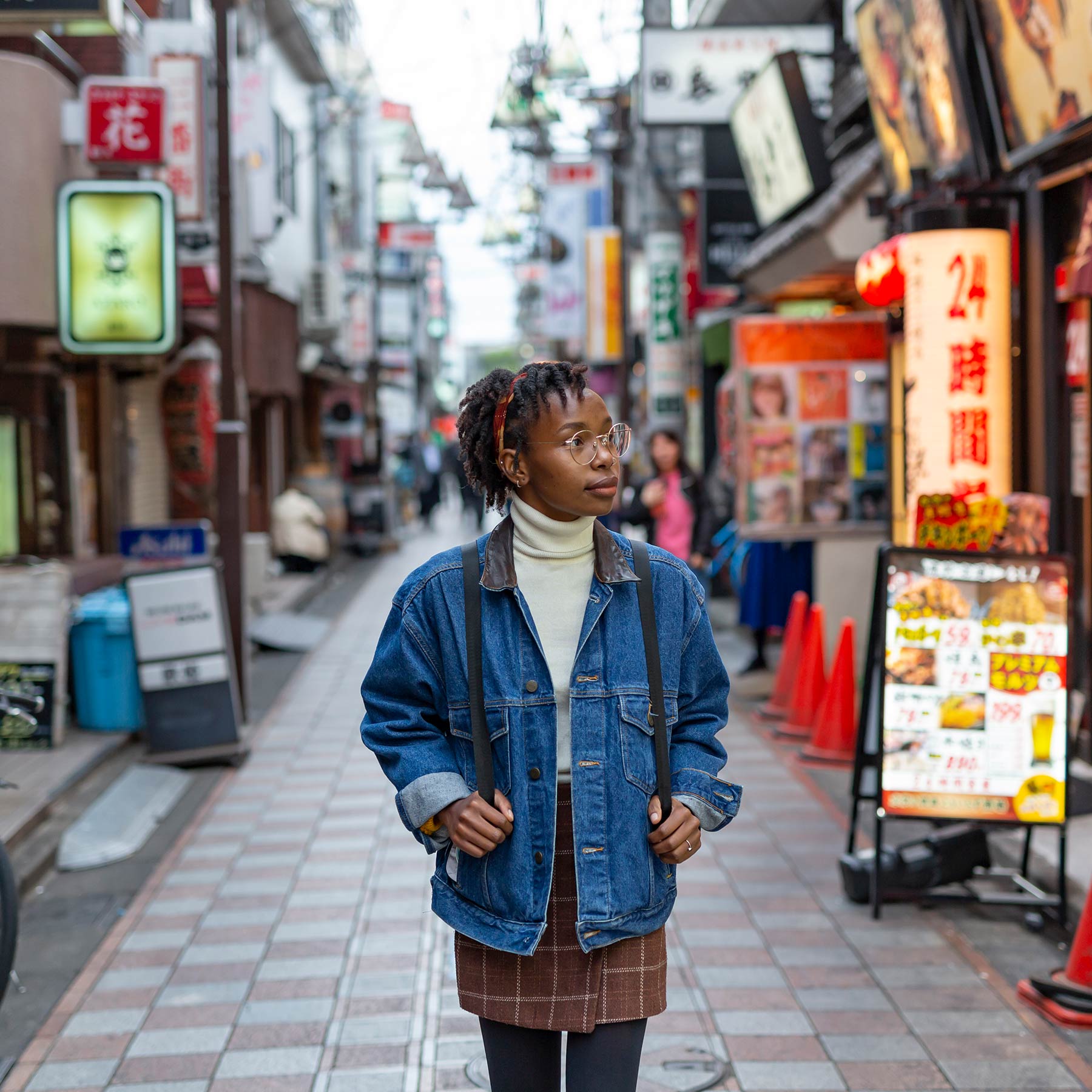
The timeless allure of Japan makes it one of the world’s favourite travel destinations, and cruising here gives a round-up of as many different places as possible. Japanese culture is a tribute to the past and a nod to the future. It’s an intriguing nation where time stands still in the Zen temples of Kyoto and moves at a rapid pace along Shibuya Crossing, where people cross from all directions underneath the sleek skyscrapers of Tokyo.
Cruises can stay within Japan’s ports, sailing between cities across the four main islands. Popular itineraries also toggle between the buzzing mega cities of Tokyo and Hong Kong or Singapore, calling at South Korea, the Philippines and Taiwan. Travellers can linger longer in one of these densely populated, thrilling cities before or after their cruise voyage. In between, soak up traditional experiences across Japan and revel in its natural beauty.
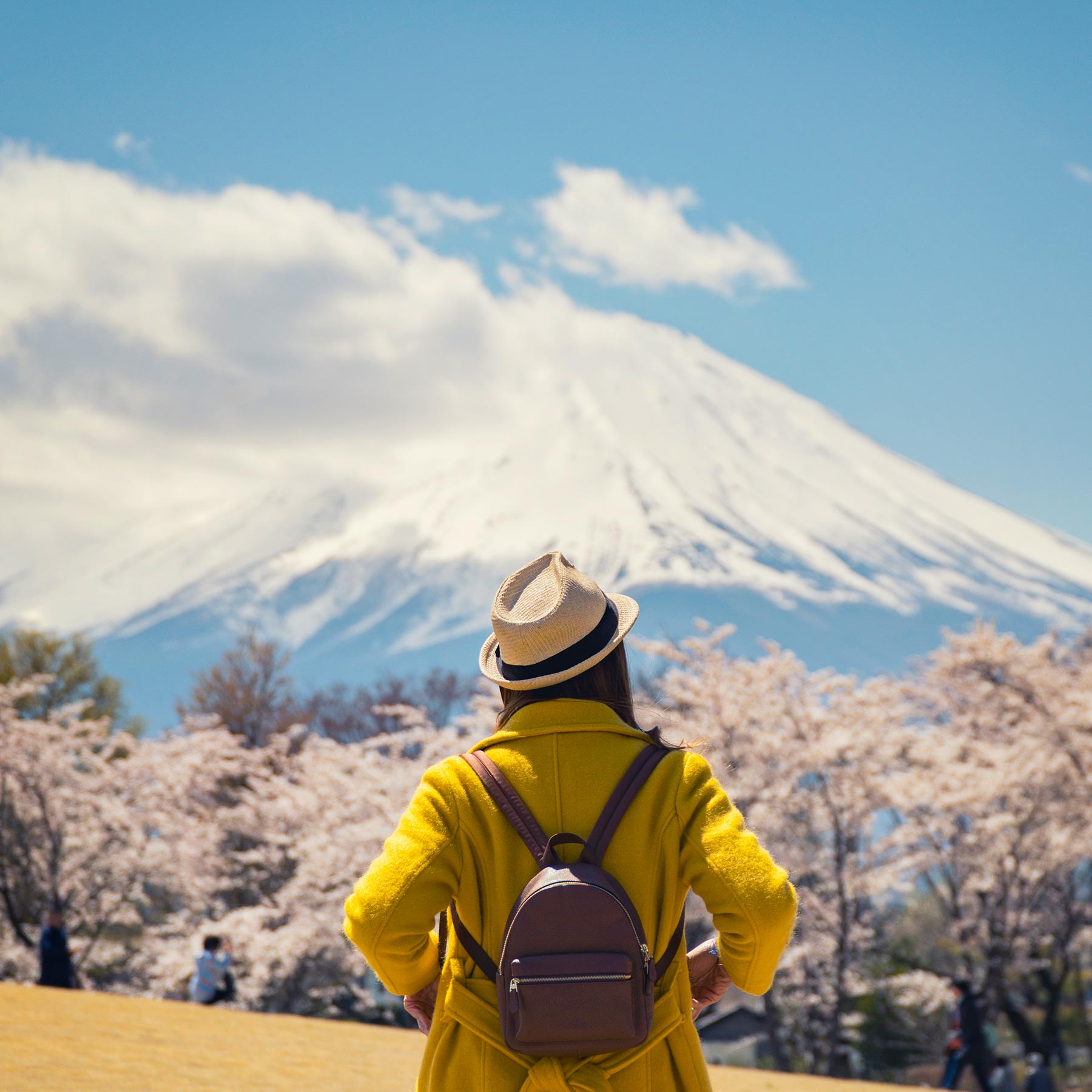
In Hakone near Tokyo, dip into the healing properties of a hot spring or onsen while taking in the breathtaking views of Mount Fuji across Lake Ashinoko. The busy city of Osaka is famed for its neon lights and flagship stores, but is also the port for quiet Kyoto. Enjoy moments of complete serenity in Kyoto’s Golden Pavilion – a striking shrine layered with pure gold leaf and nestled in a peaceful Japanese garden. Add colour to your cruise by timing it with peak Sakura season at the end of March and the beginning of April. This is when the cherry blossoms unfold across cities, towns and gardens, making your one-of-a-kind Japanese venture even more memorable. And then there’s the food. Japanese is one of the world’s great cuisines and you will dine exceptionally well at every stop, from humble ramen bars to rowdy street stalls and sleek omakase restaurants.
- Which cities or regions are typically covered on a Japan cruise?
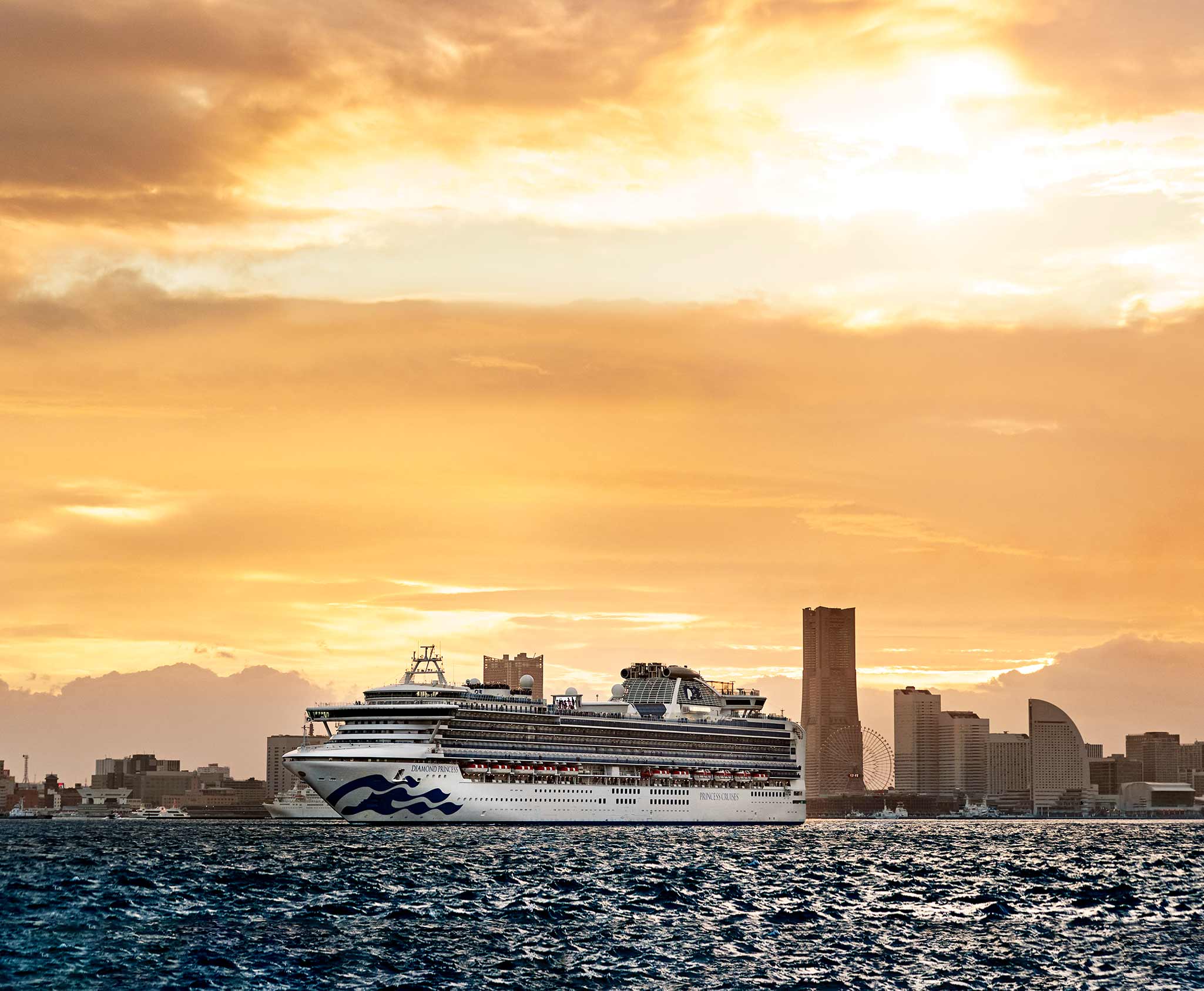
There are more than a dozen major cruise port dotted around Japan’s four main islands. Tokyo is the most popular departure point and has two ports – the new Tokyo International Cruise Terminal close to the centre and Yokohama, around 45 minutes from the city. Start your journey with a few days in this modern metropolis, exploring the historic Asakusa district, the upscale shopping area of Ginza, and the imposing Tokyo Tower.
On the island of Honshu, the adjacent ports of Kobe and Osaka (Kyoto) are also popular departure points. In Osaka, delve into the lively entertainment and shopping precinct of Dotonbori, or have a serene stroll through the pretty gardens around the historic Osaka Castle. From the port, it’s just 15 minutes by Shinkansen bullet train to the ancient city of Kyoto. This cultural hotspot is resplendent with UNESCO World Heritage sites, with Buddhist temples, serene shrines, tea houses and geishas strolling the alleyways, giving visitors a glimpse into the past.
Another popular cruise stop is Hiroshima, a city of peace and resilience. From the port, visitors can easily reach the Peace Memorial Park and Museum, which commemorates the atomic bomb that destroyed the city during World War II. The port of Shimizu is the closest to Mt Fuji and you can sit in an onsen while gazing at the venerable peak. Foodies will love Fukuoka, a city known for its delicious regional delicacies.
Hokkaido, Japan's northernmost island, is known for its stunning natural landscapes. Major cruise ports like Hakodate and Otaru serve as gateways to the island's numerous national parks, hot springs, and ski resorts.
- How long are typical Japan cruises?
For cruises that stay within Japanese waters, the average duration is seven to 10 days. For a cruise departing from Tokyo, this will take you to four or five ports in Japan as well as one port in South Korea, like Jeju Island or Busan. For in depth immersion, cruises of two weeks or more will take you on a full circumnavigation of multiple Japanese islands, calling at a dozen ports across the country.
- What's the best time of year to cruise Japan?
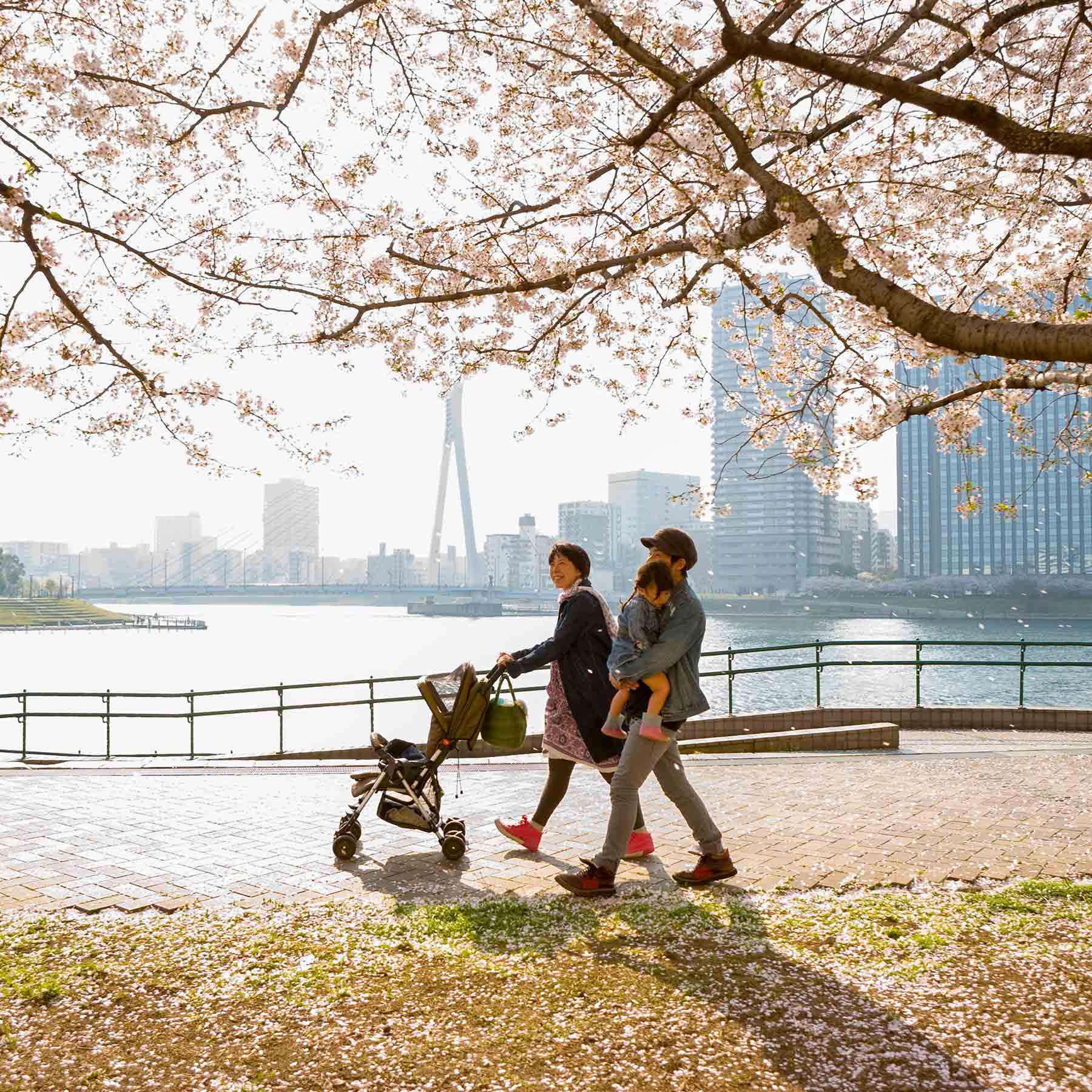
Spring, from March to May, is a great time for cruising in Japan due to the breathtaking swathes of cherry blossom (Sakura). In the Sakura season, cities such as Tokyo, Kyoto, and Osaka are enveloped in beautiful clusters of pink and white flowers. Autumn, from September to November, is another season of immense natural beauty. Leaves transform into brilliant sunset shades, and in Kyoto, the vivid foliage creates enchanting backdrops for the ancient temples and shrines.
- Can I expect onboard entertainment tailored to Japanese culture?
Yes, many cruises offer tea ceremonies, sushi-making classes, and traditional Japanese performances. Princess Cruises’ Diamond Princess elevates the Japanese experience with the onboard Izumi Japanese Cooling Bath and Izumi Hot Tubs, for a traditional Japanese bathing experience. They also hold ‘Festivals of the World’ where guests enjoy a Japanese festival right on the ship, complete with traditional dances and music.
- Are there family-friendly Japan cruises?
Absolutely! Many cruise lines in Japan boast loads of kid-friendly activities, such as swimming pools, sports courts, interactive games, educational programs, and dedicated play areas for children. Some ships even have kids’ clubs for littlies and teen clubs with video games and DJ workshops.
- Do I need a visa to visit Japan on a cruise?
You should always check the entry requirements for each country you visit, as the entry requirements vary depending on the passport you are travelling on. Australians for example are granted a 90-day tourist visa upon arrival in Japan. Some Japanese cruises also stop in South Korea, if your cruise has a stop in South Korea, you will also need to check the entry requirements.
- What kind of food can I expect on a Japan cruise?
Cruises offer a mix of international dishes and Japanese specialties, from sushi to tempura. When sailing around Japan, ships will have a higher percentage of Japanese passengers and will tailor their menu to suit their tastes. Many cruise lines have a dedicated Japanese restaurant, serving sushi or kaiseki cuisine. Norwegian Cruise Line’s ships have a Teppanyaki restaurant onboard. Here, diners gather around the edges of a large flat surface hot grill as a skilled chef prepares flavourful steak, shrimp, chicken, vegetables, and seafood right in front of them.
- Are there themed cruises available in Japan?
Many cruises in Japan will have a strong focus on Japanese culture and traditions, offering an immersive program of shore excursions. Passengers will enjoy traditional tea ceremonies, visit castles and shrines, learn to make washi paper, sip sake at ancient breweries, meet a geisha, and practice origami. Culinary cruises will take you on a gourmet adventure, with exquisite cuisine both onboard and on shore. Excursions will take you to restaurants, markets and unique local producers. For bloom hunters, cherry blossom themed cruises sail in spring and will take you to the best spots for ‘hanami’ (flower viewing).
- What currencies do I need for a Japan cruise?
The official currency of Japan is the Japanese Yen (JPY). While credit cards are widely accepted in Japan, there are still some smaller areas that might only accept cash. Be aware that many Japanese ATMs (especially those attached to banks) will not accept foreign cards, so you won’t be able to withdraw cash. Look for the specially marked ATMS in convenience stores or post offices. Onboard the ship, most cruise lines are cashless, allowing you to put everything on your room card and pay the bill at the end.
- Are there luxury cruises available in Japan?
Yes, yes, yes! Japan is at the forefront of luxury travel and so it’s only natural that some of the world’s most exclusive cruise ships would be sailing here. They boast opulent suites, fantastic fine dining, indulgent spas and attentive service – including a butler or two. Try Regent Seven Seas, Scenic, Silversea, Seabourn, Ponant, Crystal Cruises and Oceania.
- Does Flight Centre have a loyalty program, and can I use rewards points on cruises in the Japan region?
Yes. You can earn and redeem World360 Rewards points on qualifying cruises in the Japan region booked through Flight Centre.