Looking at a map, it’s difficult to understand just how large Alaska is. The 49th state of the United States covers more than 1.7 million square kilometres and is larger than Texas, California and Montana combined. Yet in all this vastness, it has a population of around 750,000 – that’s more than Australia’s capital city, Canberra. This is a place of truly epic proportions, where you’ll feel dwarfed by the enormity of the landscape and the spectacular wonders within it.
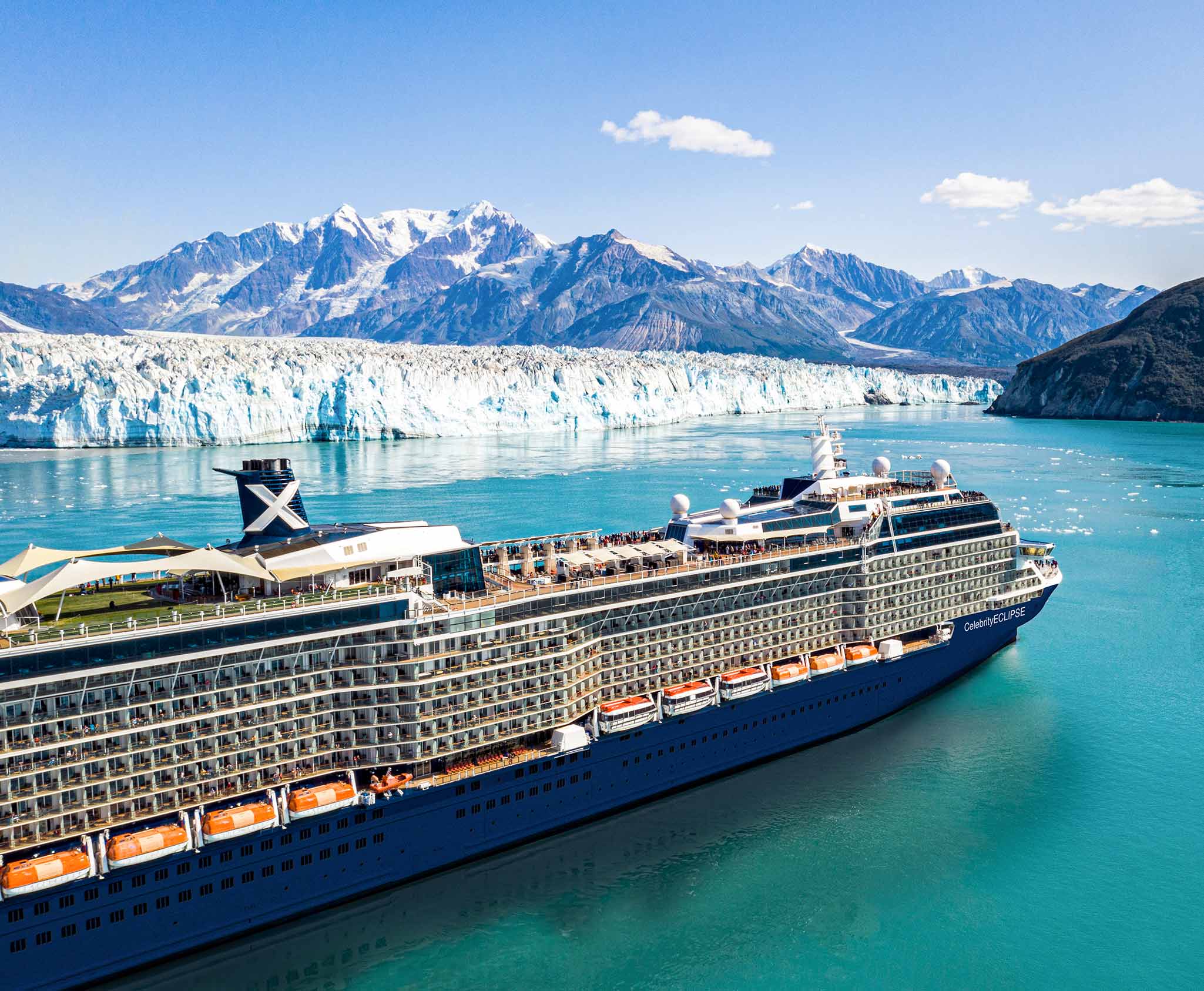
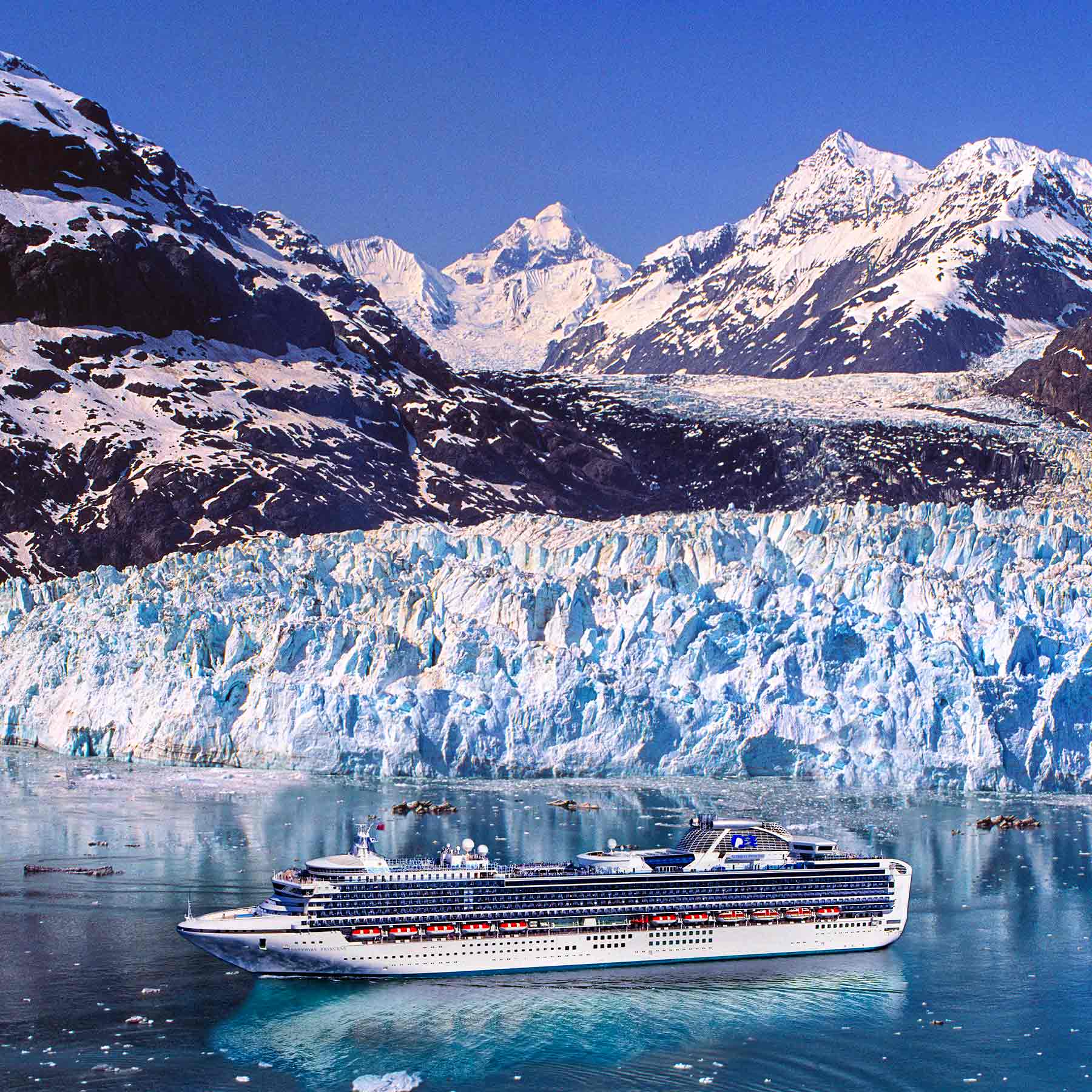
Because of its size and remoteness, a cruise is one of the best ways to experience Alaska. Roads are limited and many destinations can only be accessed by air or sea, including the state capital of Juneau. Cruise itineraries follow the state’s southern coastline, between Vancouver or Seattle and the city of Anchorage. This is a bucket list adventure for many passionate cruisers, taking them through the magnificent Inside Passage, an icy wonderland of ancient glaciers, snow-capped mountains and abundant wildlife. Along this route, you’ll sail through the glassy waters of the Glacier Bay National Park, a UNESCO World Heritage Site that’s famous for its whale watching. Cruise by the remarkable Hubbard Glacier, the largest in North America, or hike to the Mendenhall Glacier and get up close to the ice. There are opportunities to look for brown and black bears at many ports along the route, with guided tours running from Ketchikan, Juneau and Anchorage.
Shore excursions will immerse you in the pristine environment, with sea kayaking, helicopter and seaplane flights, and salmon fishing. Meet the eager huskies at a dog sledding camp or stroll the wooden boardwalks of Skagway, a Wild West boom town from the Klondike Gold Rush. More natural wonders await inland, so consider adding a land tour after your Alaskan cruise. These could take you to Denali National Park, an enormous unspoilt wilderness home to bears, moose, caribou and wolves, or even up into the Arctic Circle in search of the Northern Lights (Arora Borealis).
- What are the key attractions on an Alaska cruise?
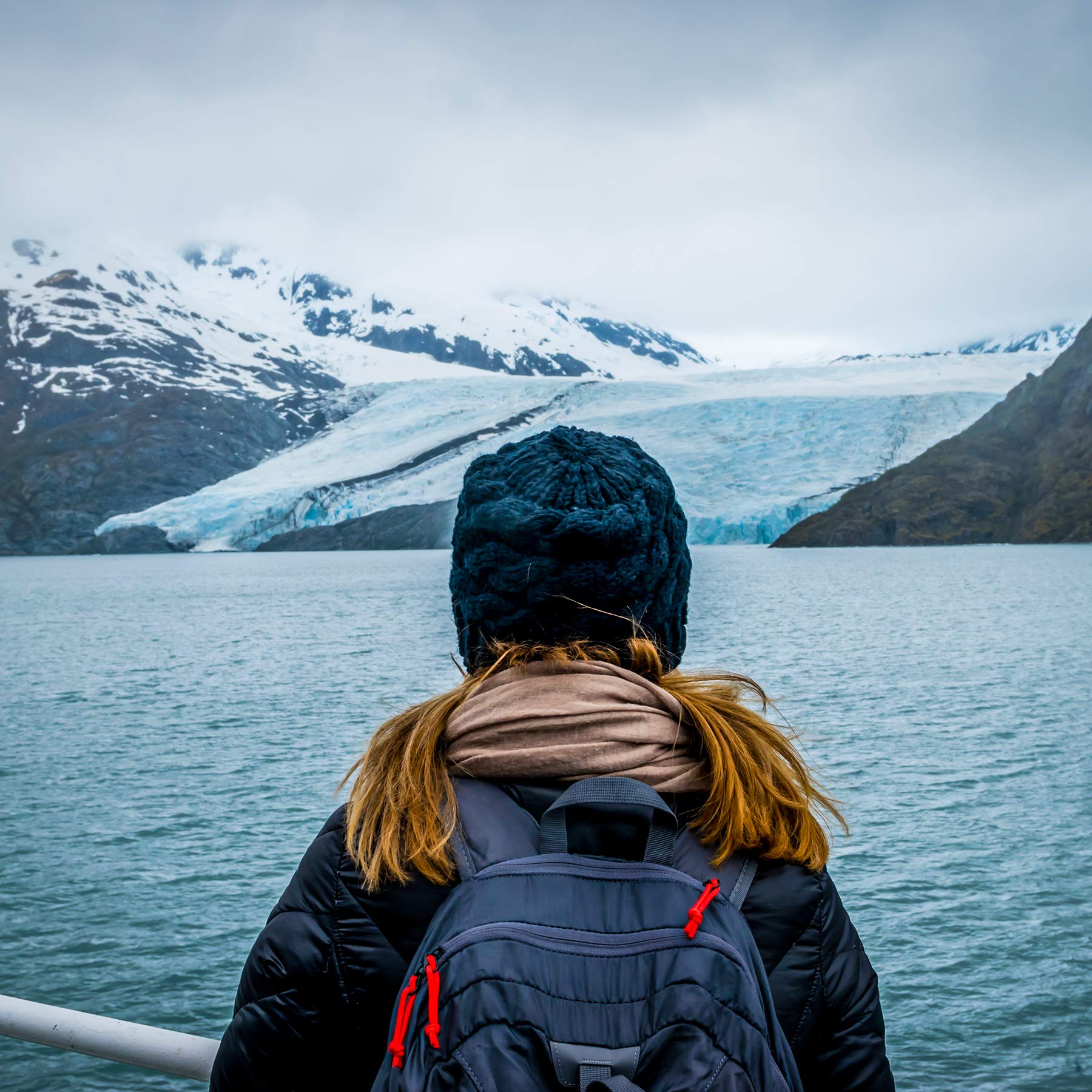
Wild landscapes, captivating wildlife, and unique cultural and historic sites are the highlights of any Alaskan cruise. Sailing through the Inside Passage is considered one of the world’s great cruising experiences. Carved by glaciers over thousands of years, this natural sea lane is flanked by snow-capped mountains, huge ice cliffs, lush forest and thundering waterfalls. Most cruises spend a day sailing through the tranquil waters of the Glacier Bay National Park, where more than 1,000 giant glaciers line the winding shore. Wildlife viewing is a consistent highlight on an Alaska cruise, with whales, bears, eagles, seals, puffins, otters and countless more regularly seen from the ship or on shore excursions. You can also learn about Alaska’s fascinating Gold Rush history or hear the stories of Native Alaskan culture from its Indigenous people.
- When is the best time to go on an Alaska cruise?
The peak Alaska cruise season is from May to September, though some ships will be sailing as early as April and as late as October. The season is short because of the extreme weather and icy cold winters, so you won’t find any ships in Alaska outside of this period. June, July and August are the busiest months and also generally have the best weather. Be aware that this coincides with American and Canadian summer school holidays, so you can expect higher prices and lots of families onboard. The shoulder months of April-May and September-October are better for budget conscious cruisers who don’t mind the cooler weather. It rains a lot in Alaska, so you’re probably in for a few wet days whenever you sail.
- What should I pack for an Alaska cruise?
Even at the height of summer, you can expect things to be pretty chilly in Alaska. The average temperature in July and August doesn’t go much about 17 degrees Celsius and will regularly drop into single digits. That means you’ll want to pack lots of layers as well as at least one warm, waterproof jacket. At the same time, the sun can be strong so bring a hat, sunglasses and sunscreen. Comfortable walking shoes are essential (especially if you plan to be hiking) and binoculars are a great addition for wildlife spotting.
- Do I need a visa to cruise to Alaska?
Alaska is part of the United States of America, so the same entry requirements apply here. Citizens of 38 different nations don’t need a visa, but will need to apply for a Visa Waiver through the Electronic System for Travel Authorization (ESTA) before they travel to Alaska. Be sure to check with your relevant government authority before you travel. If your cruise begins in Canada, as many do, you’ll also need to apply for an Electronic Travel Authorization (ETA) to be able to fly into the country.
- How long are typical Alaska cruises?
The classic Inside Passage route from Vancouver/Seattle to Anchorage is by far the most popular Alaskan cruise itinerary. This takes seven days as a one-way cruise or 14 days as a round trip. Some longer cruises are available, spending another week or so visiting smaller ports along the Alaska coast. Another popular option is to take a seven- or 14-night Inside Passage cruise and combine it with a seven-night land tour, visiting the Rocky Mountains or Denali National Park.
- Are there family-friendly Alaska cruises?
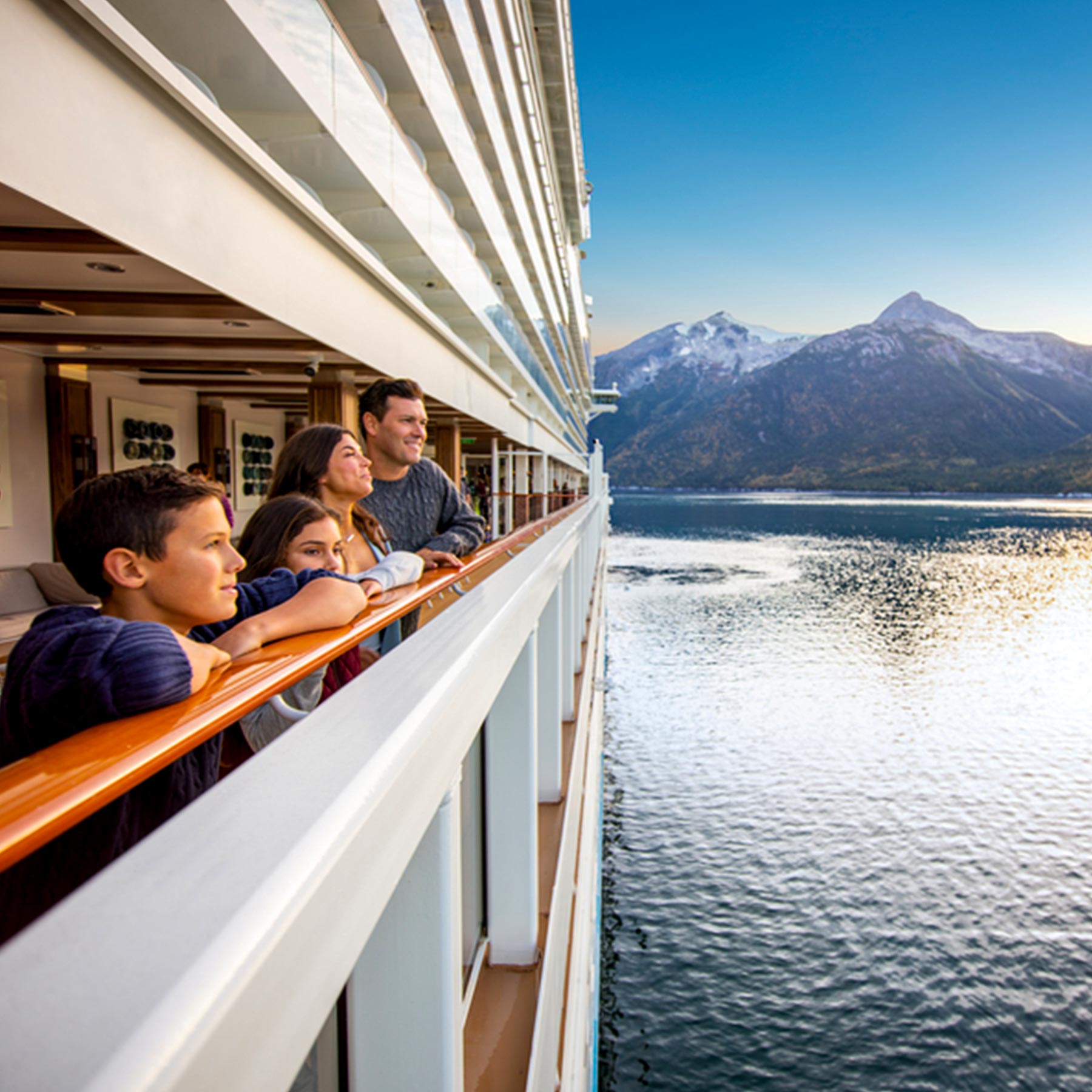
Absolutely! The larger ships sailing to Alaska are packed with family-friendly features, like heated and indoor swimming pools, kids’ clubs, sports courts and games rooms, and lots of entertainment. Some of the best cruise lines for families are Royal Caribbean, Carnival, Disney Cruise Line and Norwegian Cruise Line. Kids will also love many of the shore excursions on offer in Alaska, like sea kayaking, visiting a dog sledding camp and looking for grizzly bears.
- Is Wi-Fi available on Alaska cruises?
Most modern cruise ships offer Wi-Fi, though it will generally come at an additional cost. If you’re staying in a suite or cruising with a luxury line, some free access may be part of your package. Coverage can be patchy in remote areas though will usually be reliable in ports.
- Can I expect to see the Northern Lights on my cruise?
Alaska is one of the best places in the world to see the Northern Lights, however you will need to take a land tour away from the coast if you want to catch them. They are rarely seen along the cruise routes and are most often visible in the Interior and Arctic regions. The town of Fairbanks, about six hours inland from Anchorage, is one of the best places to see the Northern Lights because of its long hours of darkness and increased auroral activities. The Northern Lights are only visible between August and April, so you’ll need to time your cruise at either end of the peak season.
- What kind of wildlife can I expect to see?
You’ll be amazed at the abundance of wildlife in Alaska. Black and brown bears can be seen all over the country and are regularly spotted in the forests of the Inside Passage. There are more than 200,000 moose in the country, so you’re almost guaranteed to see one of these enormous creatures. Caribou, wolves, muskoxen and Dall sheep can also be found throughout Alaska. On the water, humpback whales and orcas are a common sight, as well as seals, otters, dolphins and walrus. Alaska is home to the densest population of bald eagles as well as thousands of seabirds including puffins, terns, loons, shearwaters and many more.
- Are there themed Alaska cruises?
Yes. If you are looking for a cruise that’s tailored to your favourite hobbies or interests, the smaller ships are the way to go. Hurtigruten Expeditions operate voyages themed around photography, wildlife, birdwatching, marine biology or cultural encounters.