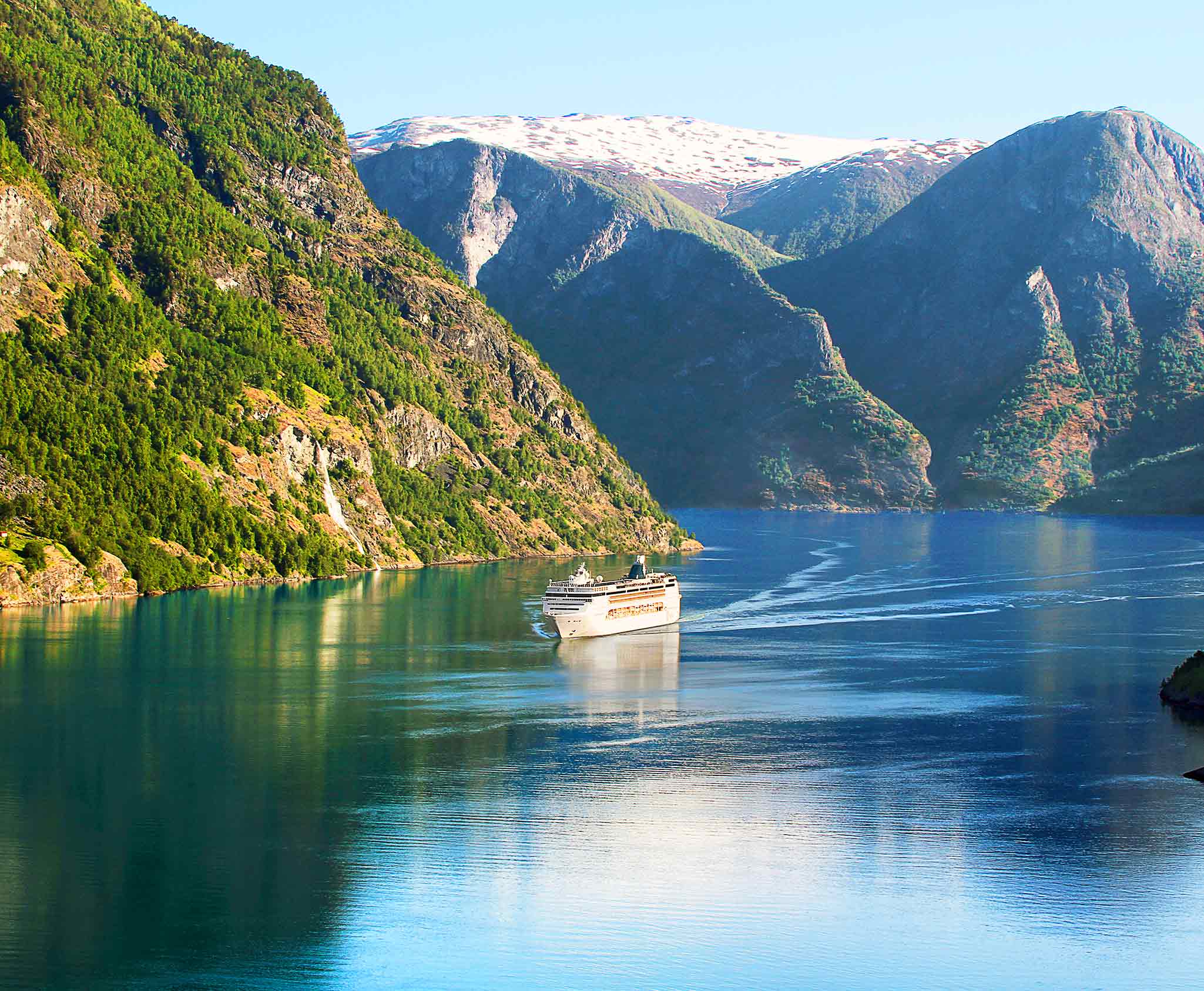
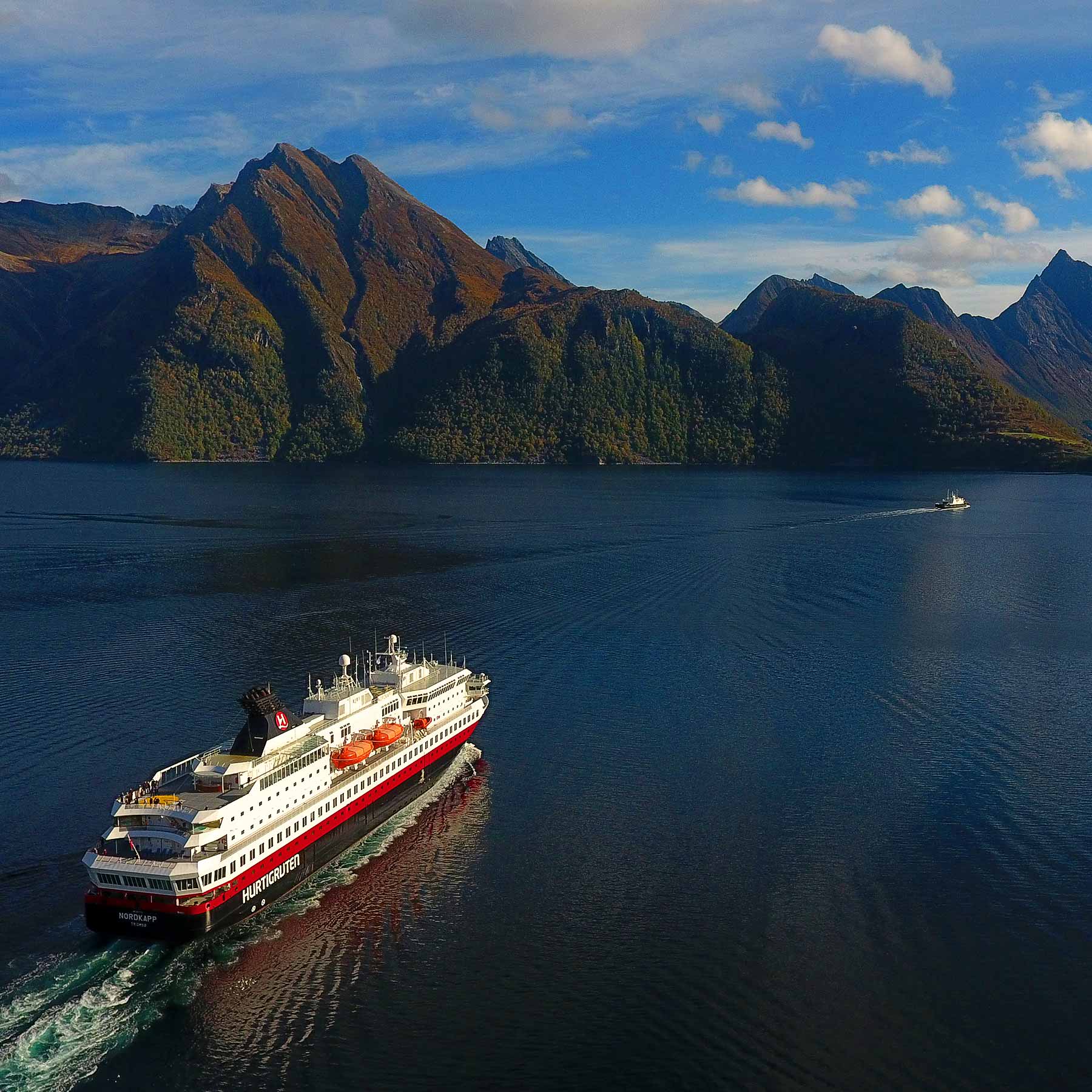
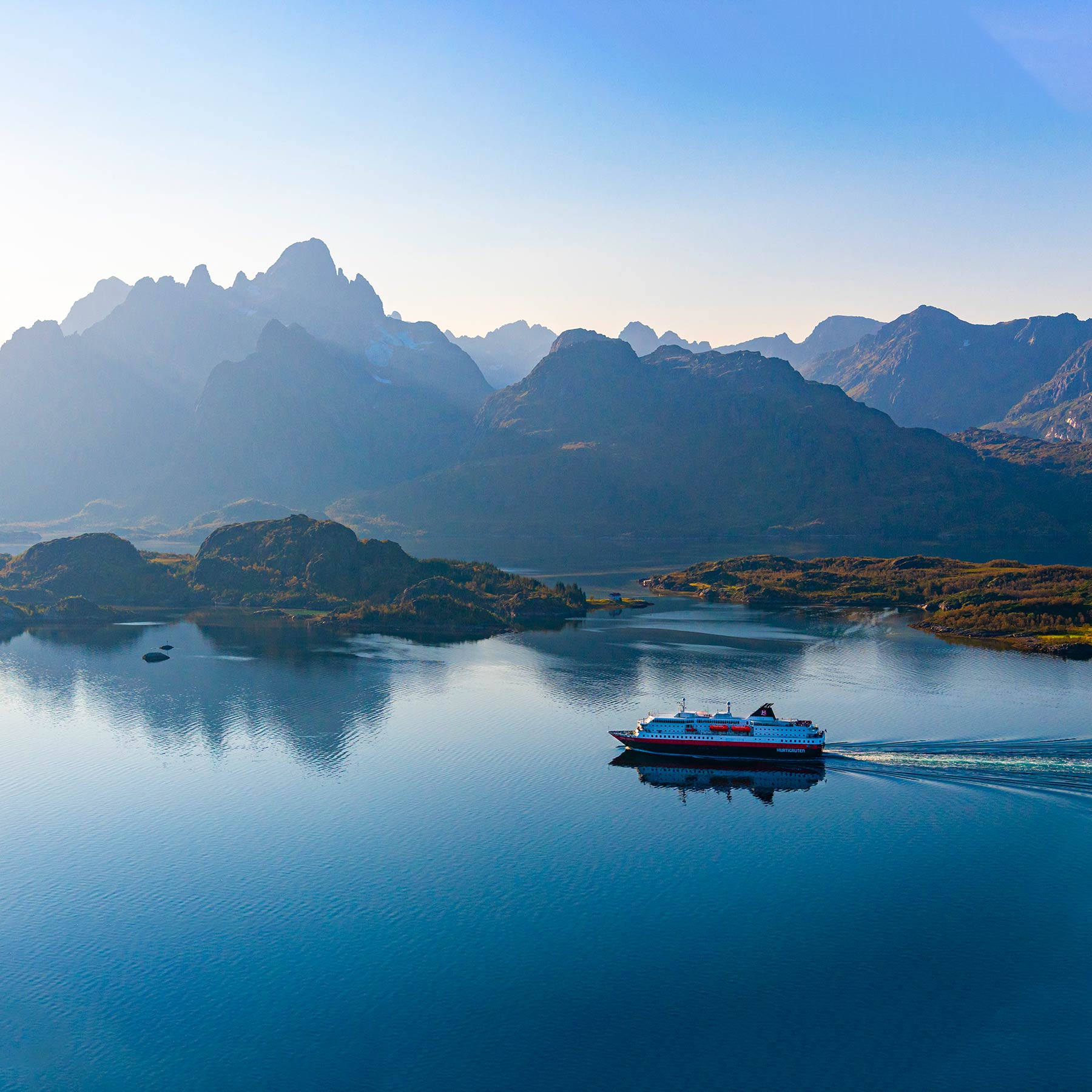
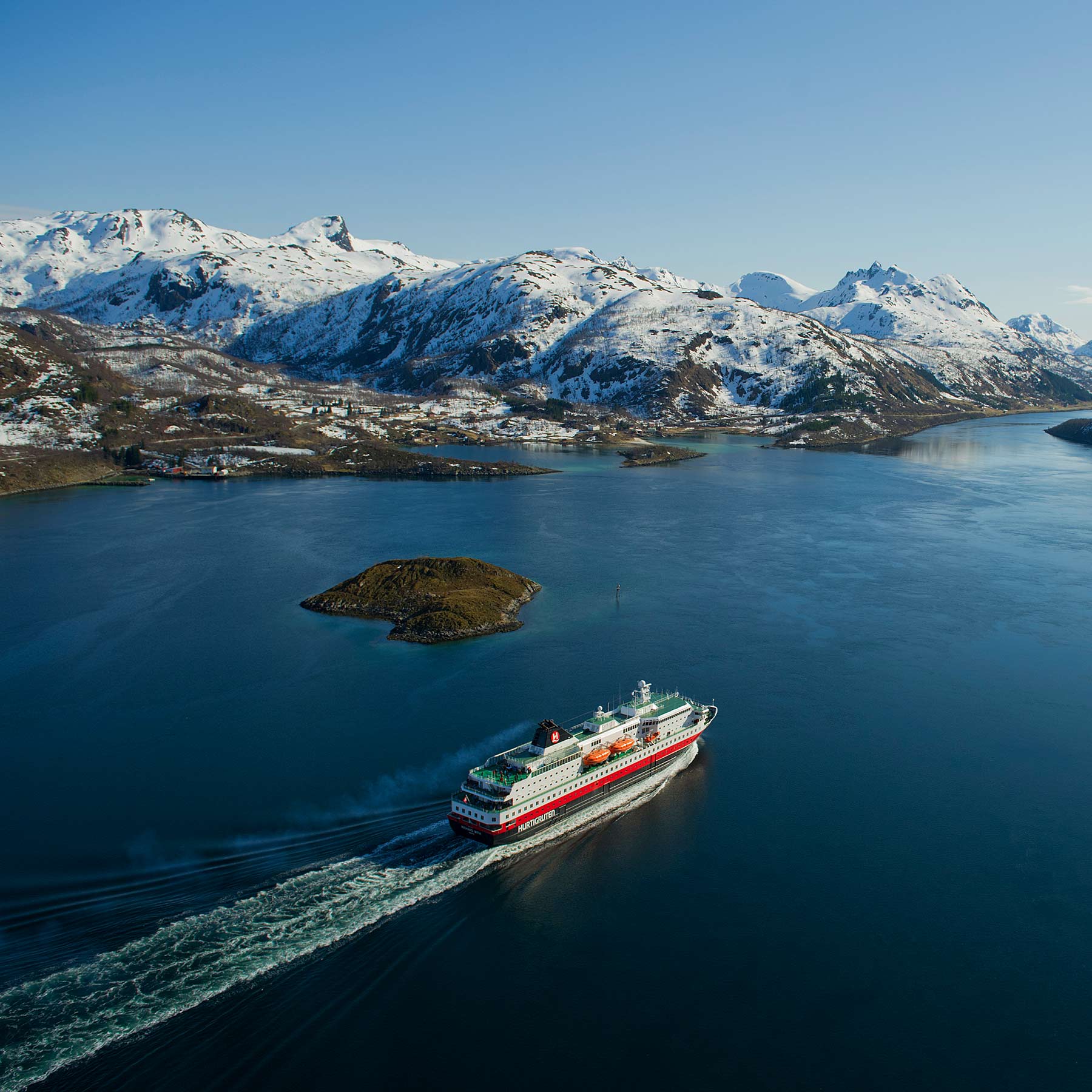
The magic of cruising in Scandinavia is a one-of-a-kind experience for travellers. The extraordinary natural beauty of towering Norwegian fjords and the majestic visions of opulent castles in Northern Europe is truly a fairytale experience. Europe cruises are extremely popular for their unrivalled cultural experiences, award-winning shore excursions and culinary diversity. Scandinavia and Baltic cruises typically navigate through the Baltic Sea and the North Atlantic Ocean, offering a chance to explore the captivating landscapes, cruise ports and cities of Northern Europe. The Baltic Sea, which borders Sweden, Denmark, and Finland, is known for its calm waters, making it ideal for a cruise experience. Cruises in Norway often navigate the North Atlantic Ocean, especially when exploring the country's western fjords. The North Atlantic Ocean is known for its dramatic landscapes, including rugged cliffs and plenty of seabirds. Some cruises also include stops in other Baltic regions, such as Germany, and even extend to Arctic areas, where you might be lucky enough to spot polar bears.
The best time to visit is up to you — cruisers might witness the surreal spectacle of the Midnight Sun in summer or the ethereal Northern Lights in winter, known as the Aurora Borealis. On a Baltic cruise, you’ll also get to visit some of the most historic and storied countries in the world, such as Denmark, Sweden and the United Kingdom.
On your cruise, expect to see towering fjords, learn fascinating Viking history, and marvel at opulent architectural wonders. Visit St Petersburg and see the one of the world's largest and oldest museums, or explore the ‘Old Town’ or Gamla Stan in Stockholm, Sweden. There are several cruise lines that offer Northern Europe tours, including Viking Cruises, Celebrity Cruises, Royal Caribbean, and Cunard.
- Which countries are covered in a Scandinavian cruise?
Typically, a Scandinavian cruise will journey to several Northern European nations known as the Nordic countries. Itineraries include Norway, Sweden, Denmark, and sometimes Finland and Iceland. Some Scandinavian cruises may also include stops in the Baltic states (Estonia, Latvia, Lithuania) or St Petersburg in Russia.
Cruise highlights include Norway, known for its fjords, the Northern Lights, and vibrant cities like Oslo and Bergen. Denmark is another popular stop, famous for its capital, Copenhagen, with attractions like the Tivoli Gardens and the Little Mermaid statue. In Sweden, travellers can explore wonderful coastal cities such as Stockholm and Gothenburg.
Finland is often included on Baltic Sea cruises, with stops in Helsinki, and some Scandinavian cruises may also visit Iceland, known for its geothermal hot springs and breathtaking landscapes.Many Northern Europe cruises include stops in the United Kingdom and navigate through the British Isles. Norwegian Cruise Line has various all-inclusive Northern Europe cruises that explore the British Isles, Ireland, Norway, and more. Celebrity cruises offer Northern Europe cruise itineraries that depart from Southampton, England.
- How long are typical Scandinavian cruises?
Scandinavian cruises can range from seven days to three weeks, with around 14 days being most popular. However, the duration can vary based on the cruise line and specific itinerary. Some cruises, especially those exploring key regions like the Norwegian fjords, can be shorter, ranging from two to seven days. On the other hand, more comprehensive itineraries that cover multiple countries can extend up to three weeks. The length of the cruise will influence the number of countries you can visit during the journey.
- What's the best time of year to cruise in Scandinavia?
The peak season is from June to August, during the short summer season. If you cruise during this period, expect long days with plenty of sunlight and lovely warm weather, perfect for sightseeing and outdoor activities. The high season trends between mid-June and August, which is when the sun is at its peak. It’s a good idea to consider shoulder-season travel too, in late May, early June, and September — the weather is usually good and there will be fewer crowds.
It's worth mentioning that although the winter months (November to February) can be bitterly cold in Scandinavia, it’s the optimal time for unique experiences like viewing the Northern Lights.
- Can I expect to see the Northern Lights on a Scandinavian cruise?
The best chance to see the Northern Lights is on winter cruises in the northern parts of Norway. However, it's important to note that sightings are not guaranteed as they depend on many different factors including weather, time of year, solar activity and plain old good luck.
In terms of timing, you are more likely to see the Northern Lights during the winter months, from late September to late March, when the nights are longest. Did you know that some cruise lines, such as Hurtigruten, offer special Northern Lights cruises and even issue a Northern Lights guarantee for certain voyages! There are also cruises specifically designed for Northern Lights viewing, such as those offered by Viking and Quark.
- Are there family-friendly Scandinavian cruises?
Yes, many cruises offer activities tailored for kids, from Viking history lessons to wildlife watching. Cruise lines such as MSC Cruises, Celebrity Cruises, Norwegian Cruise Line, and Royal Caribbean offer itineraries that cater to families, with onboard activities designed especially for children.
MSC Cruises offers a safe and fun environment for the whole family, with facilities specifically for kids. Similarly, Celebrity Cruises offers cruises to Scandinavia where families can explore the towering fjords, Viking history, and architectural wonders of Norway, Denmark, and Sweden. Norwegian Cruise Line and Royal Caribbean are also known for their family-friendly offerings, with plenty of onboard activities and entertainment for all ages.
- Do I need multiple visas for the countries visited during the cruise?
Depending on your nationality, you may need individual visas or a Schengen visa for multiple countries. If you are an EU citizen, you don't need a visa to travel within the Schengen Area, which includes most countries in Northern Europe. For Australian, Canadian, New Zealand and UK citizens among other non-EU citizens, the Schengen Visa allows travel across 27 European countries (including Denmark, Sweden, Norway, Finland, and Iceland) without needing individual visas for each country. However, this does not apply to the United Kingdom or Ireland, which are not part of the Schengen area. If your cruise includes Russia, such as a stop in St. Petersburg, you will usually need a separate Russian visa. However, cruise passengers can visit St. Petersburg for up to 72 hours without a Russian visa if they have booked tours through officially licensed companies. ou should always check with your travel expert and check with your relevant government authority to ensure you know which visas you need to apply for in advance.
- What kind of food can I expect on a Scandinavian cruise?
Expect a mix of international dishes and Scandinavian specialties, such as seafood, meatballs, and pastries. In terms of traditional Norwegian food, you might come across dishes such as Brunost (a sweet, brown cheese), Rokt Las (smoked salmon), Kjøttboller (meatballs), Sursild (pickled herring), and Fårikål (mutton stew).
If you really want to be immersed in Scandinavian cruisine, try a cruise with Viking. Their buffet offers Nordic cuisine with delicacies such as herring, shrimp, horseradish, chanterelle, dark bread, and caviar, and other dining options like The Chef's Table, World Café, Aquavit Terrace, Mamsen's and Wintergarden will be themed around Scandinavian specialties.
- Can I expect onboard entertainment tailored to Scandinavian cultures?
Absolutely, many cruises offer themed nights, live music, dance performances, and cultural lectures that reflect the regions you’re visiting. Discover activities and performances related to Viking history, Scandinavian folklore, and local music and dance. Some cruises even host lectures by historians or local experts to provide deeper insight into the cultures and histories of the places you'll visit.
Also, SAS (Scandinavian Airlines) offers a variety of popular movies and series for free on flights to and from the US and Asia, which could be a great way to immerse yourself in Scandinavian culture before or after your cruise.
- Are there adult-only cruises available in Scandinavia?
Yes, some cruise lines offer adult-only options for a more peaceful experience. Several cruise lines offer adults-only options or specific areas on their ships that are reserved for adults. These offer a more relaxed, sophisticated experience with a focus on adult-oriented activities. Viking Cruises is strictly adults’ only (and also has no casinos on board). P&O Cruises UK (a different line to P&O Cruises Australia) has two ships, Arcadia and Aurora, which are designed exclusively for adult guests. Norwegian Cruise Line has three adults-only outdoor venues and select suite categories for guests 18 and older.
- What currencies do I need for different Scandinavian countries?
In Scandinavia, each country has its own currency. Norway uses the Norwegian Krone, Sweden the Swedish Krona and Denmark the Danish Krone, while Finland uses the Euro.
These currencies are not interchangeable between countries, so you'll need to have the correct currency for each country you're visiting. It's also worth noting that many places in Scandinavia are very card-friendly and accept international credit and debit cards.